

Losing one or more teeth can change everyday life in small but noticeable ways. Eating feels different. Smiling can feel awkward. And over time, missing teeth can even affect the health of your mouth and jaw. Beyond the physical changes, many people find it impacts their confidence too, creating feelings of self-consciousness that can linger in social situations.
For many people, the next question is what to do about it. Looking for dental implants or dentures are two common options, but they are designed to work in very different ways. Understanding how each option supports your oral health through the years can make it easier to choose a solution that feels comfortable, looks natural and lasts.
What Are Dental Implants?
Dental implants are built to replace both the visible tooth and the underlying root. A small titanium fixture is positioned within the jawbone, where it gradually bonds with the surrounding bone. Once secured, this fixture supports a custom crown that is designed to look, feel and function like a natural tooth.
Because implants are anchored directly into the jaw, they offer long term stability and strength. Many patients choose dental implants because they closely replicate the feel and function of natural teeth, allowing normal eating, speaking and daily routines without adjustment.
What Are Dentures?
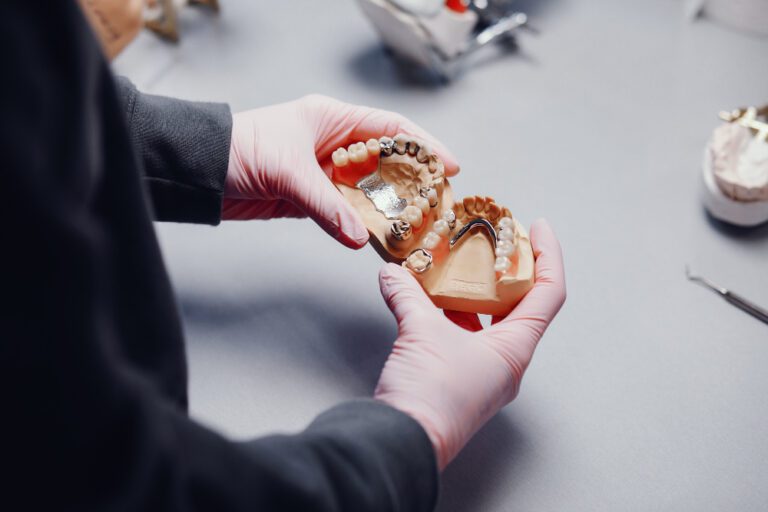
Dentures are removable tooth replacements that rest on the gums rather than being fixed in place. They may be used to replace several teeth or an entire arch, depending on individual needs. Because they do not require surgery, dentures are often chosen as a more accessible option and can usually be prepared within a shorter timeframe.
For some patients, getting dentures from Midland dental practices remains a practical solution, particularly when surgery is not suitable. However, because dentures are not anchored into the jaw bone, they require regular adjustments as the mouth changes over time.
Comfort And Fit: Daily Experience Compared
One of the biggest differences patients notice is how each option feels day to day. Dental implants remain fixed in place, so there is no movement while eating or speaking. This stability reduces irritation and allows patients to forget they even have a replacement tooth.
Dentures, on the other hand, may shift slightly during meals or conversations. Over time, this movement can cause sore spots on the gums which requires the denture to be relined or resized to maintain comfort.
Bite Strength And Functionality
Dental implants often restore around 80 to 90 percent of your natural bite strength. Because they are anchored into the jaw, they handle pressure in a way that is closer to natural teeth. This makes it easier to enjoy a wider range of foods, including firmer textures that support balanced nutrition and normal chewing habits.
Dentures provide less bite force because they rest on the gums rather than being fixed in place. As a result, certain foods can become more difficult to chew comfortably. Many people adapt by selecting softer, easier-to-manage foods. While practical, this can reduce dietary diversity and potentially impact nutritional intake and overall wellbeing.
Bone Health And Facial Structure
Jawbone health is crucial in oral wellbeing. Dental implants stimulate the jaw in a similar way to natural tooth roots, which helps maintain bone density and preserve the natural shape of the face. This support plays a key role in keeping the mouth stable over time.
Dentures do not provide the same stimulation. Without regular pressure on the jawbone, gradual bone shrinkage can occur. As the bone changes, facial structure may shift and denture fit can loosen, which often explains why adjustments become more frequent as the years go on.
Durability And Long Term Performance
With the right care, dental implants are designed to last for many years and can often serve patients for a lifetime. Their strength and secure placement make them a dependable option for those seeking long term stability and reliable results.
On the other hand, dentures typically need to be replaced every five to seven years due to normal wear and ongoing changes in the jaw and gums. This repeated replacement cycle is an important consideration when thinking about the future.
Maintenance And Oral Hygiene
Caring for dental implants follows the same habits used for natural teeth. Consistent brushing and flossing, along with routine visits with your family dentist, help keep the implant secure and support the health of the surrounding gum tissue.
Dentures require a different routine. They must be removed for cleaning, soaked daily and handled carefully to avoid damage. While manageable, this extra maintenance can feel inconvenient for some patients.
Cost Comparison: Short Term Vs Long Term
Dental implants generally involve a higher upfront cost due to the surgical procedure and materials used. However, their longevity and minimal replacement needs often make them cost effective over time. With our personalised and flexible DentiCare payment plans, patients can conveniently spread the cost of treatment over weekly, fortnightly or monthly interest-free instalments.
Dentures are usually more affordable, which can make them appealing in the short term. Over the years, however, the cost of adjustments, relines and replacements can add up.
Aesthetic Results And Confidence
Dental implants are widely regarded as the most natural looking tooth replacement option. Because they are fixed and individually crafted, they blend seamlessly with surrounding teeth and support confident smiling and speaking.
Dentures can look natural when they are well made, but some patients notice they feel bulkier or less secure over time, particularly as the fit changes.
Who Is The Best Candidate For Each?
Dental implants are generally best suited to patients in good overall health with adequate jawbone density. However, no two mouths are the same. Our dentists will carry out a thorough assessment of your oral health, bone structure and individual needs to determine whether implants are appropriate, and whether any preparatory treatment may be required. Implant treatment itself is performed at our sister practice, Glen Forrest Dental Care, where our team has the facilities and clinical environment specifically set up for implant procedures, ensuring you receive comprehensive and coordinated care throughout the process.
Dentures are often recommended for patients who prefer a non-surgical option, require a faster solution, or are working within a tighter budget. Each option has its place, and the right choice ultimately depends on your unique circumstances, lifestyle and long-term goals.
Final Verdict: Which Option Is Better For Long Term Oral Health?
For many patients, dental implants offer excellent long-term benefits, supporting jawbone health, comfort and durability. Because they function much like natural teeth, they can be a strong option for those who are suitable candidates.
However, the right solution is never simply about what’s “best” in general, it’s about what’s best for you. Every mouth is different, and factors such as your oral health, bone structure, lifestyle and budget all play an important role in the decision. Dentures continue to be a valuable and effective option for patients with specific health considerations, timeframes or financial preferences.
At Midland Dental Hub, our dentists take the time to carefully assess your individual needs and talk through your goals before recommending the most appropriate treatment.
Ready to restore your smile? Book a consultation with Midland Dental Hub today and find out whether implants or dentures are right for you. Your long term oral health starts here.